Table of Contents
Summary
The daylight saving time end in November brings earlier sunsets and darker evening commutes across California. Pedestrians, shift workers, and families may face greater collision risks as visibility decreases. Learn when clocks change in 2026, why nighttime crashes are dangerous, how to stay safe, and who may be legally responsible.
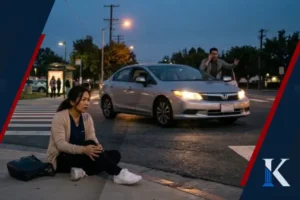
A familiar evening walk can become more dangerous when daylight disappears earlier. The daylight saving time end allows California commuters to find themselves walking to bus stops, crossing busy intersections, or driving home in darkness instead of daylight.
For Filipino-American families, this change can affect parents working late shifts, students returning from school activities, and older relatives walking through their neighborhoods.
The danger is significant. According to the National Highway Traffic Safety Administration (NHTSA), 7,314 pedestrians died in U.S. traffic crashes in 2023, and approximately 78% of pedestrian fatalities occurred in darkness.
Although changing the clocks does not automatically cause a collision, darker evening conditions can make pedestrians harder to see. Understanding these risks can help families prepare and recognize their rights if an accident occurs.
When Does Daylight Saving Time End in 2026?
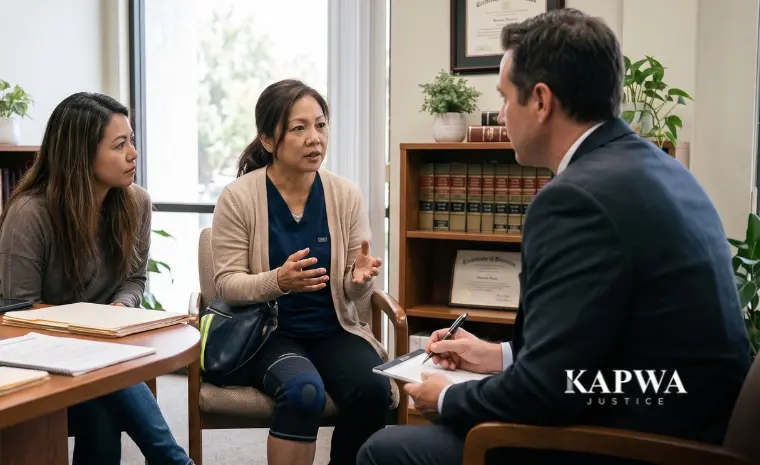
In California, daylight saving time ends on Sunday, November 1, 2026, at 2:00 a.m.
Clocks move backward one hour, returning California to Pacific Standard Time (PST).
Key Detail | November 2026 |
Date | Sunday, November 1 |
Time change | 2:00 a.m. becomes 1:00 a.m. |
Time gained | One hour |
Evening impact | Sunset occurs about one hour earlier by the clock |
The change may be especially noticeable for people who leave work between 5:00 p.m. and 7:00 p.m.
A commute that previously took place in daylight may suddenly occur after sunset. Drivers and pedestrians must adjust to reduced visibility, particularly near intersections, transit stops, and parking areas.
For families in Los Angeles, Sacramento, San Diego, and other California communities, November is an important time to review evening travel habits.
Why Pedestrian Accidents Increase After Daylight Saving Time Ends
The transition to standard time shifts more evening activity into darkness. Research has linked this change to an increase in pedestrian crash risk around sunset, although the magnitude of the increase varies by study and location.
A study published in the National Library of Medicine examining U.S. fatal crashes from 2010 through 2019 found that fatal pedestrian and bicyclist crashes increased by approximately 13% during the five weeks following the fall time change, compared with the preceding five weeks. This national finding highlights the importance of visibility during evening travel.
Several factors can contribute to this increased risk.
1. Reduced Visibility
Drivers may have difficulty noticing pedestrians wearing dark clothing, especially on poorly illuminated roads.
Headlight glare, shadows, and vehicle blind spots can further reduce visibility.
2. More Commuters Walking After Sunset
Many people continue working and traveling at the same clock times after the change.
As a result, workers walking to parking lots, train stations, or bus stops may suddenly be traveling in darkness.
3. Driver Fatigue and Distraction
Long workdays, unfamiliar nighttime driving conditions, and distractions can affect a driver’s ability to recognize hazards.
Shift workers may face additional fatigue when schedules change.
4. Dangerous Turning Movements
Pedestrians can be especially vulnerable when drivers turn through crosswalks without checking for people already crossing.
Even a low-speed collision can cause serious injuries, particularly to children and older adults.
5. Poorly Lit Streets and Intersections
Missing streetlights, obstructed sightlines, and faded crosswalk markings may make nighttime pedestrian travel more hazardous.
The end of daylight saving time makes these existing roadway problems more noticeable.
The Most Dangerous Hours for Pedestrians in November
Evening hours deserve particular attention because many pedestrians and drivers are traveling home while visibility decreases. The following periods warrant extra caution:
Time | Common Pedestrian Hazards |
4:00–5:00 p.m. | Changing light, school activities, and afternoon traffic |
5:00–7:00 p.m. | Evening commute, sunset, or darkness, and turning vehicles |
7:00–10:00 p.m. | Reduced visibility, poorly lit roads, and late-shift travel |
These are practical caution periods, not a California-specific ranking of crash hours. Actual risk varies by location, traffic conditions, and the time of sunset.
For Filipino-American workers in healthcare, hospitality, retail, and other industries with evening shifts, walking between workplaces and parking areas can be a daily concern.
Parents should also remind teenagers and younger children to use well-lit crossings and remain attentive around moving vehicles.
Safety Tips for Walkers and Drivers After Daylight Saving Time Ends
Small changes in daily habits can reduce exposure to nighttime pedestrian hazards.
For Pedestrians
- Choose well-lit routes and marked crosswalks whenever possible
- Wear bright clothing or reflective accessories during evening walks
- Carry a flashlight when walking in poorly lit areas
- Avoid looking at your phone while crossing streets
- Make sure turning drivers have noticed you before entering their path
- Stay alert near driveways, parking lots, and bus stops
- Walk with family members or coworkers when practical
Reflective clothing can improve visibility, but it does not replace a driver’s duty to exercise reasonable care.
For Drivers
- Slow down near crosswalks, schools, transit stops, and residential areas
- Check sidewalks and intersections before turning
- Keep headlights clean and properly adjusted
- Avoid using handheld phones while driving
- Allow extra stopping distance in rain or poor visibility
- Watch for pedestrians near parked vehicles
- Never drive when too fatigued to remain alert
Drivers should be especially cautious during the first week after clocks change, when familiar routes may look noticeably different.
Who Is Liable When a Pedestrian Is Hit After Dark?
California law requires drivers and pedestrians to exercise reasonable care.
A pedestrian accident after sunset does not automatically mean the driver is at fault. However, darkness does not excuse negligent driving.
California Vehicle Code §21950
Under California Vehicle Code §21950, drivers generally must yield the right-of-way to pedestrians crossing within marked crosswalks or unmarked crosswalks at intersections, subject to the statute’s requirements.
Drivers must also exercise due care and reduce speed when necessary to protect pedestrians.
Pedestrians have responsibilities as well, including avoiding sudden movements into a vehicle’s path when the driver cannot reasonably yield.
California Vehicle Code §21954
According to the California Vehicle Code §21954, pedestrians crossing outside marked or unmarked crosswalks at intersections generally must yield to vehicles close enough to constitute an immediate hazard.
However, drivers still have a duty to exercise due care for pedestrian safety.
California’s Comparative Fault Rule
California follows a pure comparative negligence system.
If both a driver and a pedestrian contributed to an accident, compensation may be reduced according to the pedestrian’s share of responsibility.
For example, if a pedestrian’s recoverable damages total $100,000 and the pedestrian is found 20% responsible, the recovery would generally be reduced to $80,000.
Liability depends on evidence such as traffic signals, lighting, vehicle speed, witness accounts, and available surveillance footage.
Can Businesses or Other Parties Be Responsible?
Drivers are not always the only parties involved in a pedestrian accident. Depending on the circumstances, a wide variety of hazards may contribute to a collision, including poorly maintained parking areas, inadequate lighting, obstructed walkways, or unsafe property conditions.
When an accident occurs near commercial property, an investigation may involve property owners, management companies, or other business entities responsible for maintaining the area.
In some cases, information from the California Secretary of State may help identify a registered business entity or its agent for service of process. However, business registration records alone do not establish ownership of the accident location or legal responsibility for the injuries.
What Should You Do After a Pedestrian Accident?
If you or a family member is struck by a vehicle, immediate medical attention should be the priority.
When possible, take these steps:
- Call 911. Request emergency assistance for serious injuries or unsafe roadway conditions
- Seek medical evaluation. Head injuries, internal injuries, and fractures may not be immediately apparent
- Report the collision. Ask for the responding agency’s report or incident number
- Preserve evidence. Photograph the intersection, lighting, traffic controls, vehicle damage, and visible injuries when safe
- Collect witness information. Obtain names and contact details from people who saw the collision
- Keep important records. Save medical bills, treatment instructions, and documentation of missed work
- Be cautious with insurance settlements. Understand the full extent of your injuries before signing a release
Family members can help preserve records when the injured person is hospitalized or unable to document the incident.
If important evidence is unavailable, a formal records request may help obtain relevant documents from a public agency. Depending on the circumstances, these may include collision reports or certain roadway maintenance records.
Surveillance footage held by private businesses may require a separate preservation request or legal process. Acting promptly matters because some recordings are automatically overwritten.
For more information about protecting your rights, explore Kapwa Justice’s personal injury legal services.
When to Call an Auto Accident Lawyer in California
A pedestrian collision can leave families facing medical expenses, lost wages, rehabilitation needs, and emotional distress.
An auto accident lawyer in California may help determine whether a driver’s negligence or another contributing factor caused the injuries.
Legal assistance may include:
- Investigating the collision
- Reviewing police reports and surveillance footage
- Examining roadway lighting and visibility
- Identifying potentially responsible parties
- Reviewing medical records and treatment expenses
- Evaluating lost income and future care needs
- Negotiating with insurance companies
- Explaining applicable filing deadlines
Seeking legal counsel may be particularly important when multiple parties could share responsibility. An attorney can investigate the collision, identify potentially responsible drivers or property operators, and determine whether additional evidence is needed to support a personal injury claim.
Under California Code of Civil Procedure §335.1, many personal injury lawsuits must generally be filed within 2 years. However, exceptions and shorter government-claim deadlines may apply.
If a pedestrian dies because of another person’s negligence, eligible surviving family members may also have grounds to pursue a wrongful death claim.
A consultation can help families understand their legal options without assuming that every collision automatically creates a valid claim.
Frequently Asked Questions
When does daylight saving time end in California in 2026?
Daylight saving time ends on Sunday, November 1, 2026, at 2:00 a.m. Clocks move back one hour, making sunset occur approximately one hour earlier by the clock.
Why are pedestrian accidents more dangerous after the time change?
More evening travel takes place in darkness, which can reduce visibility. Drivers may have difficulty seeing pedestrians at intersections, near parked cars, or along poorly lit roads.
Is a driver automatically responsible for hitting a pedestrian at night?
No. Liability depends on the circumstances, including right-of-way, driver conduct, pedestrian behavior, visibility, and other evidence. California’s comparative fault rules may also apply.
Can a pedestrian recover compensation if they were not in a crosswalk?
Possibly. Crossing outside a crosswalk does not automatically eliminate a claim. A pedestrian’s compensation may depend on whether the driver was negligent and whether the pedestrian shared responsibility.
When should I contact an auto accident lawyer in California?
Consider speaking with an auto accident lawyer in California if the collision caused significant injuries, disputed liability, substantial medical expenses, or lost income. Early legal guidance may also help preserve evidence and identify filing deadlines.
Protect Your Family During Darker November Commutes
The daylight saving time end is a reminder that familiar roads can become more dangerous when evening darkness arrives earlier.
For Filipino-American families across California, preparing for the time change means watching out for children, older relatives, commuters, and loved ones who work late shifts.
Drivers can help by slowing down and remaining alert near crossings. Pedestrians can reduce risks by choosing visible routes and staying attentive to approaching vehicles.
If you or someone you love is injured in a pedestrian accident, understanding your rights is an important part of protecting your family’s future.
At Kapwa Justice, we help Filipino-American families in California understand their legal options after serious accidents. Our team can review the circumstances, explain potential claims, and help you determine the next steps.
Injured in a pedestrian accident? Contact Kapwa Justice for a free consultation.