Table of Contents
Summary
Many Filipino-American survivors hesitate to report sexual assault due to hiya, fear of judgment, community pressure, and concerns about being believed. This article explores common reporting barriers, available support resources, evidence that may help a case, and practical steps survivors and families can take to seek help.
Sexual assault is one of the most underreported crimes in the United States, yet its impact can last a lifetime. For many Filipino-American survivors and their families in California, the decision to report sexual assault is often complicated by cultural expectations, fear, and emotional distress.
While legal protections and support services exist, many victims remain silent because they worry about family reactions, community judgment, or the belief that no one will listen. These barriers can delay access to help, safety, and recovery.
Recognizing why reporting is difficult may help families provide support and encourage survivors to seek assistance when they are ready.
Why Sexual Assault Often Goes Unreported
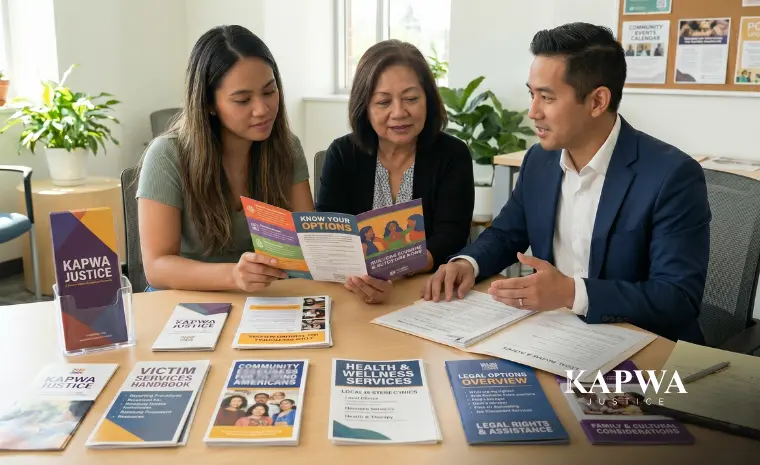
Sa maraming kaso, may mga hadlang na nagpapahirap sa mga survivor na magsalita o humingi ng tulong.
According to research published through CUNY Academic Works, approximately 20% of women in the United States have experienced completed or attempted rape, while 43.6% have experienced some form of contact sexual violence. Despite these numbers, only about one-third of incidents are reported to police.
Below are several reasons reporting may be delayed or avoided altogether.
Hiya (Shame) and Cultural Expectations
In many Filipino families, personal and family reputation carry significant importance.
Some survivors fear:
- Bringing shame to the family
- Being blamed for what happened
- Being told to stay silent
- Being viewed differently by relatives
This feeling of hiya can prevent survivors from seeking help even when they need it most.
Fear of Family Judgment
Many survivors worry that family members may question their decisions, behavior, or actions leading up to the incident.
Instead of receiving support, they may fear hearing comments such as:
- “Why were you there?”
- “Why didn’t you leave?”
- “Why didn’t you say no?”
These concerns can discourage disclosure and delay trauma recovery.
Community Gossip Concerns
The Filipino-American community is often close-knit.
While community connections can provide strength, some survivors worry that private information may spread quickly through social circles, churches, organizations, or family networks.
Fear of gossip may lead some individuals to remain silent rather than risk unwanted attention.
Immigration Misconceptions
Some immigrants mistakenly believe reporting a crime could affect their immigration status.
In reality, victims of crimes generally have rights regardless of immigration status. Certain legal protections may also be available depending on individual circumstances.
Because of these misconceptions, some survivors avoid contacting law enforcement even when they need protection.
Fear of Not Being Believed
Isa sa mga pinakamalaking dahilan kung bakit hindi nagsasalita ang mga survivor ay ang takot na baka hindi sila paniwalaan.
Research cited by CUNY Academic Works suggests that environmental factors, including relationships with the perpetrator and social circumstances, often play a significant role in delayed reporting.
This concern may be especially strong when the accused is:
- A family member
- A trusted friend
- A partner
- A respected community member
Other Factors That Can Delay Reporting
Certain circumstances may contribute to delays in reporting sexual assault. Reporting may take longer when:
Factor | Why It Matters |
Domestic settings | Survivors may have ongoing contact with the perpetrator |
Younger victims | Children often depend on adults to report abuse |
Holiday periods | Access to services may be limited |
Long-term abuse | Survivors may struggle to identify or disclose patterns of harm |
These situations can make child sexual abuse cases and other forms of sexual exploitation particularly difficult to report.
What Can Be Reported as Sexual Assault?
Sexual assault includes a wide range of unwanted sexual acts.
Examples may include:
- Sexual contact without consent
- Sexual battery
- Attempted rape
- Forced sexual acts
- Child sexual abuse
- Certain forms of sexual harassment
- Technology-facilitated abuse and online attacks
Every situation is unique, and legal definitions may vary depending on the facts.
What Evidence May Help Support a Report?
Many survivors worry they lack proof.
However, several types of information may help support an investigation.
Possible evidence may include:
- Text messages
- Emails
- Social media communications
- Witness statements
- Photographs
- Surveillance footage
- Medical records
- Forensic interviews
- Physical evidence
In some situations, healthcare providers may perform a sexual assault forensic exam to document injuries and preserve evidence.
A forensic exam may include:
- Evidence collection
- Documentation of injuries
- Collection of DNA evidence
- Testing and treatment recommendations
These examinations are sometimes referred to as a rape kit, sexual assault kit, or sexual assault evidence kit.
Steps Survivors Can Consider After an Assault
Every survivor responds differently.
Possible steps may include:
- Move to a safe location.
- Call 9-1-1 if there is immediate danger.
- Seek medical care at an emergency room or medical center.
- Obtain a medical evaluation if appropriate.
- Preserve clothing, messages, and other evidence.
- Contact a victim advocate.
- Reach out for emotional support.
- Consider reporting to the local police department.
Some survivors choose to provide an initial account immediately, while others need additional time before deciding how to proceed.
Available Support Resources
Kung ikaw o mahal mo sa buhay ang naapektuhan, tandaan: hindi kayo nag-iisa. May mga resources at taong handang makinig at umalalay.
Resources may include:
- National Sexual Assault Hotline
- Local crisis centers
- victim support organizations
- Counseling services
- Community advocacy groups
- California sexual assault attorney who can explain legal options
Support services can assist with safety planning, emotional healing, and navigating the criminal justice process.
How Legal Guidance May Help
Many survivors find it difficult to report sexual assault because the process can feel overwhelming.
Some survivors and families choose to speak with a legal professional to better understand:
- Reporting procedures
- Civil claims
- Available protections
- Compensation options
- Privacy concerns
A California sexual assault attorney may be able to explain rights and legal remedies available under California law. Depending on the circumstances, survivors may have options beyond the criminal case.
Frequently Asked Questions
What is the process of reporting sexual assault?
The process typically begins by contacting law enforcement, a local police department, or a support organization. Survivors may provide details about the incident, receive medical assistance, and participate in investigative procedures depending on their wishes and circumstances.
Is it possible to report a sexual assault anonymously?
In some situations, an anonymous report may be available through certain agencies or organizations. Procedures vary by location, so survivors may wish to ask local authorities or advocates about anonymous report options.
What can be considered sexual assault?
Sexual assault may include unwanted sexual contact, attempted rape, forced sexual acts, sexual battery, child sexual abuse, and other non-consensual sexual conduct prohibited by law.
Breaking the Silence: Support for Filipino Families
Many Filipino survivors remain silent because of hiya, fear of judgment, community pressure, or concerns about being believed. Yet silence should never be mistaken for consent or acceptance. Help is available, and survivors deserve compassion, dignity, and support.
If you or a loved one has experienced sexual violence, Kapwa Justice offers free consultations to help Filipino-American families explore resources and legal options. Contact us today for supportive guidance tailored to your situation.