
Table of Contents
Summary
This guide shares essential spring break safety tips for Filipino families traveling across California. It covers planning, vehicle readiness, safe driving, and what to do after an accident. With increased traffic and risks during peak travel, these practical steps help families stay protected, minimize disruptions, and enjoy a safer, better-prepared spring break trip.
Spring break safety tips are more than just reminders—they can make the difference between a smooth trip and a stressful situation. For Filipino families planning a spring break vacation across California, the mix of long drives, crowded destinations, and unfamiliar routes can create unexpected risks.
From navigating busy freeways like I-5 and US-101 in Los Angeles to visiting landmarks like Santa Monica Pier or Griffith Observatory, preparation matters. This guide breaks down practical steps to help you stay protected while traveling.
Here’s how to keep your family safe and ready for anything during your trip.
Why Spring Break Safety Matters for Filipino Families
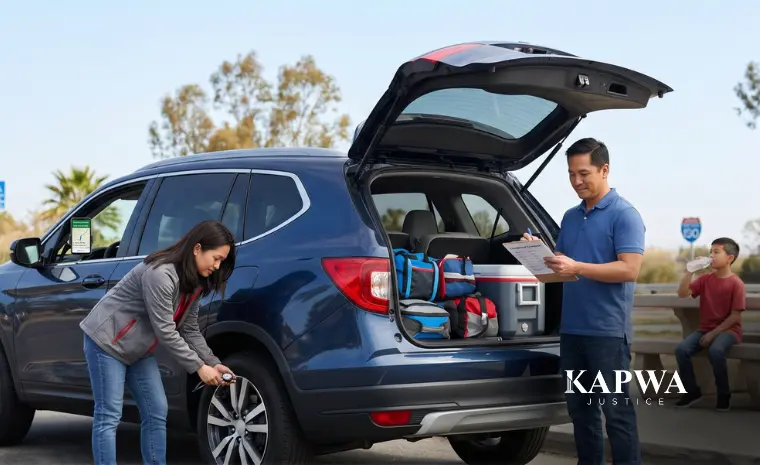
Spring break often means road trips, theme parks, and visits to National Parks like Yosemite or Sequoia. These experiences are memorable—but they also come with increased traffic, distracted drivers, and unpredictable conditions.
2024 NHTSA data shows that traffic fatalities remain significant, with over 8,500 deaths in the first quarter and more than 10,000 in the second, despite slight declines compared to prior years. This highlights why planning and caution are critical.
For families traveling together, even a minor incident can disrupt the entire trip. Staying proactive reduces risk.
Smart Travel Habits Every Family Should Follow on the Road
1. Plan Your Spring Break Travel Ahead of Time
Effective spring break travel starts with organization. Last-minute planning increases the likelihood of missed details and poor decisions on the road.
Focus on these essentials:
- Confirm travel dates and map routes in advance
- Monitor a travel advisory for traffic, weather, and safety updates
- Work with travel planners if visiting multiple destinations
- Book accommodations early, especially in high-demand areas like Palm Springs
- Consider travel protection for unexpected changes
Also, review your travel insurance options. Travel delay or trip interruption coverage can protect your investment and reduce stress.
2. Make Sure Your Vehicle Is Road-Ready Before the Trip
Driving is often the backbone of a California trip. Before heading onto major routes like I-405 or I-10 in Los Angeles, ensure your vehicle is prepared.
- Tire pressure and tread condition
- Brake performance
- Oil and fluid levels
- Battery condition
- Working headlights and signals
Breakdowns on busy highways can quickly escalate into dangerous situations. Malaking tulong ang preventive checks para maiwasan ang aberya sa biyahe.
3. Avoid Distractions While Driving During Spring Break
Traffic increases significantly during spring break, especially near tourist areas such as Downtown LA, Venice Beach, and Disneyland.
Common distractions to avoid:
- Mobile phone use
- GPS adjustments while driving
- Eating behind the wheel
- Managing children without pulling over
California law prohibits holding a wireless device while driving under California Vehicle Code §23123.5. This means drivers cannot hold their phone for any reason, including checking navigation, skipping a song, or glancing at a map, even if they are not actively operating it. Your phone must be mounted on a dashboard or windshield holder and used only through voice commands or a single tap. Assigning a passenger to manage navigation is the safest and most legally sound approach.
More importantly, distraction increases the risk of collisions. Assign a passenger to manage navigation when possible.
4. Stay Alert in High-Traffic and Tourist Areas
Tourist hotspots lead to congestion and unpredictable driving. Areas near Santa Monica Pier, Hollywood Boulevard, and Legoland California often experience heavy traffic during peak travel periods.
Stay cautious by:
- Keeping safe following distances
- Watching for sudden stops or lane changes
- Being mindful of pedestrians and cyclists
- Avoiding aggressive driving
Parking areas can also be high-risk zones for minor accidents. Move slowly and stay aware of your surroundings.
5. Teach Kids Basic Road and Travel Safety
Family trips are a great opportunity to teach children essential safety habits.
Key lessons include:
- Always wearing seatbelts
- Staying inside the vehicle until it is safe to exit
- Avoid running in parking lots
- Recognizing basic emergency response steps
For outdoor destinations, pack insect repellent and educate children about heat stroke risks, especially when visiting warmer areas like Palm Springs.
What to Do If an Accident Happens During Spring Break
Even with preparation, accidents can still occur. Acting quickly and correctly protects your safety and your legal rights.
Immediate steps:
- Move to a safe location if possible
- Call emergency response services
- Exchange information with other drivers
- Take photos of the scene and vehicle damage
- Document witness details
Keep your health insurance card accessible in case of medical needs. Address any health concerns promptly, even if injuries seem minor.
How Los Angeles Personal Injury Lawyers Can Help After an Accident
If an accident disrupts your trip, legal guidance becomes important. Los Angeles personal injury lawyers assist families in navigating complex claims, especially when dealing with insurance companies.
They can help with:
- Evaluating liability and evidence
- Managing communication with insurers
- Pursuing compensation for damages
- Coordinating claims while you focus on recovery
Legal support is particularly valuable in multi-vehicle accidents or cases involving out-of-state visitors.
Keep Your Family Safe and Prepared This Spring Break
Following practical spring break safety tips ensures your trip remains focused on creating memories—not dealing with setbacks. Whether you’re heading to coastal attractions, theme parks, or scenic routes, preparation is your strongest advantage.
Simple actions such as vehicle checks, route planning, and staying aware can significantly reduce risks. Sa tamang pag-iingat, mas nagiging panatag at masaya ang bawat biyahe ng pamilya.
FAQs
Why are spring break trips riskier than regular travel periods?
Higher traffic volume, unfamiliar routes, and increased tourist activity contribute to a greater risk of accidents during spring break.
Should families get travel insurance for short trips?
Yes. Travel insurance can help cover unexpected delays, cancellations, or emergencies, especially during peak travel seasons.
What are the most common causes of accidents during spring travel?
Distracted driving, speeding, heavy congestion, and unfamiliar driving conditions are among the most common factors.
What should I prioritize after a car accident?
Ensure safety first, contact emergency services, document the incident, and seek professional guidance if needed.
Stay Protected and Take Action When It Matters
Traveling with family should feel safe—not uncertain. By applying these spring break safety tips, you reduce risks and stay in control of your journey. But if an accident happens, taking the right steps early can make a difference.
Kapwa Justice provides tailored support to Filipino communities across California, helping families navigate legal issues after an accident. Our team focuses on clear guidance, cultural understanding, and practical next steps during difficult situations.