Table of Contents
Overview
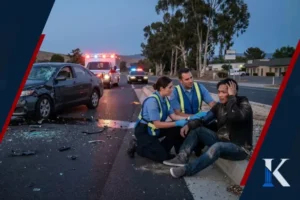
After a crash, the other driver’s insurer may contact you quickly. While this may seem routine, saying the wrong thing can affect fault, compensation, and future claims. This guide explains what you must say, what to avoid, common insurer tactics, and when legal help matters most.
After a California car crash, it is common to receive a call from the other driver’s insurance company within days—or even hours. The caller may sound polite and helpful, asking “just a few questions” about what happened. But what you say in that moment can directly affect your financial recovery, medical care, and legal options.
Many families are unaware of the lasting impact that these early conversations can have. Knowing your rights before speaking is crucial. Below, we explain what to expect, what to avoid, and how to protect yourself moving forward.
Why the Other Driver’s Insurance Company Contacts You
Insurance companies act quickly to protect their policyholders’ interests. When a crash occurs, especially on California’s roads, insurers aim to gather information before all facts are known.
Common reasons they reach out include:
- To assess the fault based on your statements
- To limit responsibility for property damage
- To close the insurance claim as quickly as possible
- To evaluate potential exposure under their coverage limits
👉 Their goal is not to advocate for you. It is to reduce financial liability.
What You Are (and Are Not) Required to Say
You are not legally required to provide a recorded statement to the other driver’s insurance company. However, some basic information is reasonable.
You may safely provide:
- Your name and contact details
- The date and general location of the crash
- Confirmation that a police report exists
You are not required to:
- Admit fault
- Discuss injuries or medical expenses
- Speculate about speed, signals, or a traffic light
- Answer questions from a claims adjuster without counsel
Declining a recorded statement is a protected choice and often advisable.
Risks of Giving a Recorded Statement Too Early
Injuries are not always obvious immediately after a crash. Many people later discover complications after medical tests or follow-up care.
Early statements can be risky because:
- Symptoms may worsen after the initial emergency response
- Statements can be used to dispute medical bills
- Minor wording inconsistencies may be treated as dishonesty
- Fault can shift in a multi-car crash
This risk increases in severe cases involving someone critically injured, a hit-and-run collision, or a fatal hit-and-run.
Common Insurance Tactics Used to Reduce Payouts
Insurance companies use structured strategies to minimize payouts, including:
- Asking leading questions to influence your narrative
- Requesting early settlement before full diagnosis
- Delaying responses to pressure acceptance
- Challenging repair estimates
- Interpreting the crash report selectively
Data from the CDC shows that in 2022, millions of people sought emergency medical care after motor vehicle crashes. Despite the high volume of injuries, many victims still resolve claims early without fully understanding the full scope of their damages.
Steps to Take Before Speaking to Any Insurance Company
Before returning any call, consider these steps:
- Seek medical evaluation, even if injuries seem minor
- Obtain a copy of the official crash report
- Document injuries, vehicle damage, area details, and timelines
- Avoid detailed discussions with the other driver’s insurance company
- Consult the best car accident lawyer in California for guidance
Makakatulong ang mga ito upang mapangalagaan ang iyong karapatan at maiwasan ang problema.
How a Lawyer Handles Insurance Calls for You
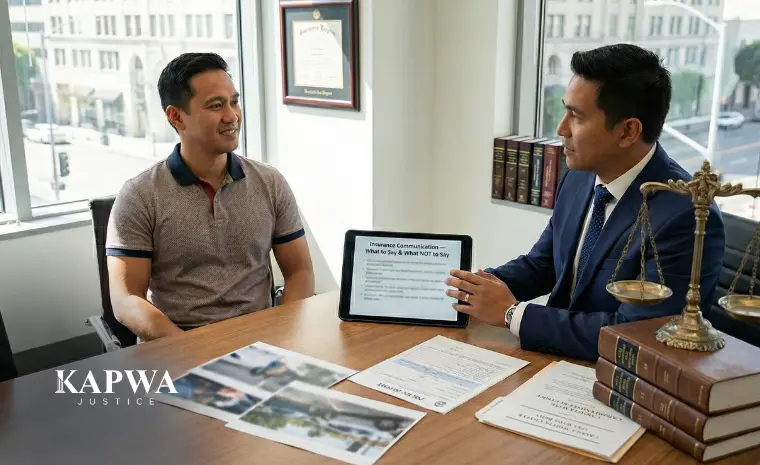
An experienced attorney becomes the point of contact, preventing misstatements and pressure tactics. A qualified legal team:
- Manages all insurer communication
- Reviews statements for accuracy
- Coordinates documentation
- Protects your interests if liability is disputed
Families facing a California car crash often benefit from speaking with the best car accident lawyer in California before engaging insurers directly.
Frequently Asked Questions
Can refusing to speak hurt my case?
Generally, no. Choosing not to speak often helps protect your insurance claim by preventing misstatements or incomplete information from being used against you later. Your own insurer can still communicate necessary facts without compromising your rights.
What if they offer a quick settlement?
Quick settlement offers are often made before the full extent of injuries, vehicle damage, or future costs is known. Accepting too early may prevent you from seeking additional compensation if new medical issues or expenses arise later.
Should I report the damage if it seems minor?
Not necessarily. Even when vehicle damage appears minimal, injuries—especially soft tissue or internal injuries—may not show symptoms right away. Waiting until you understand the full impact of the crash can help you make more informed decisions.
One Conversation Can Shape Your Entire Claim
Speaking with the other driver’s insurance company without preparation can put families at risk financially and legally. If you or a loved one were involved in a crash, informed guidance matters. A trusted legal professional can explain your options and handle insurer communication on your behalf.
Contact us today to schedule a FREE consultation and protect your future.